From fatal to treatable: new immunotherapies and mRNA vaccines are revolutionizing melanoma treatment
- Scientific news
- Science
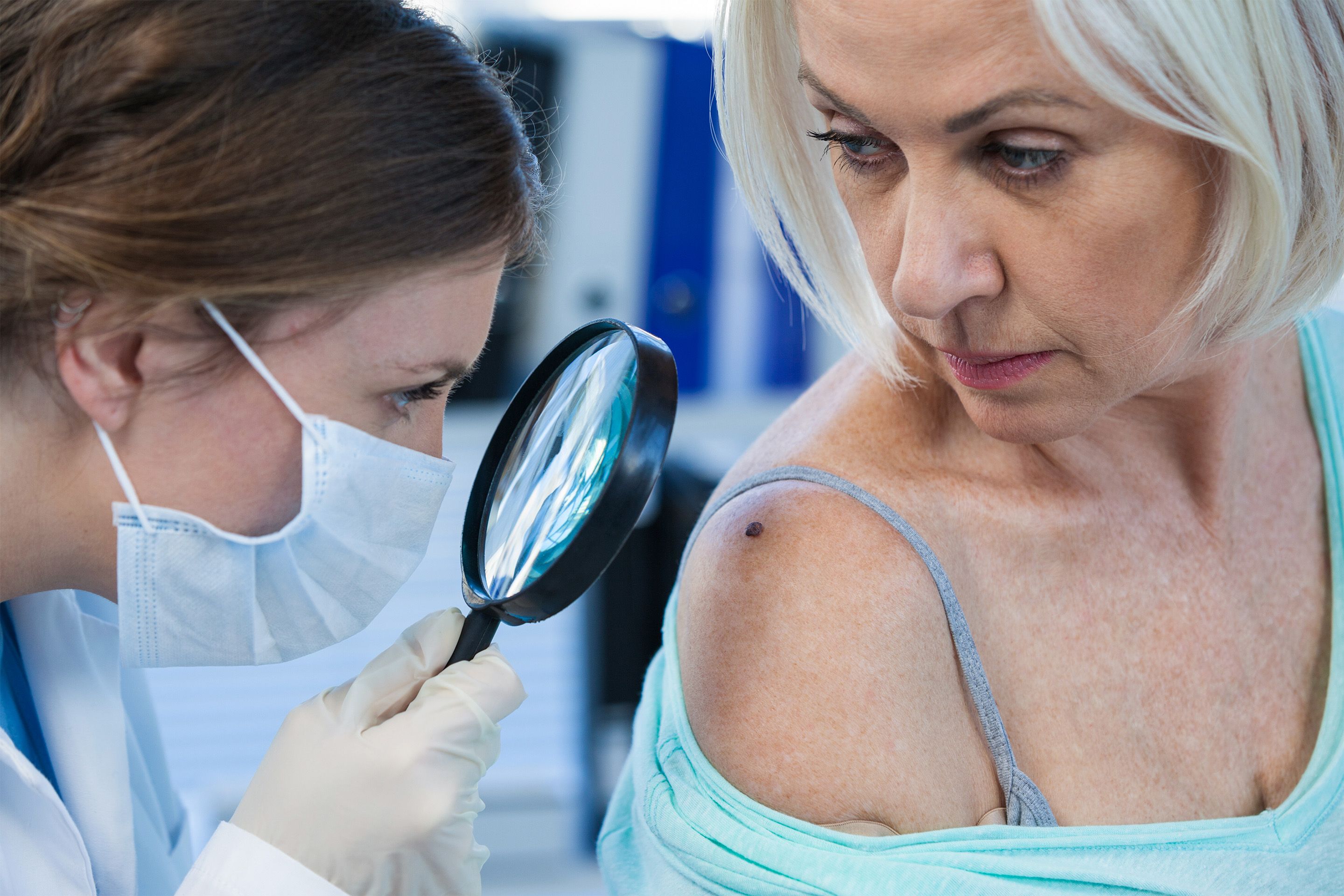
Thanks to innovative immunotherapy, the survival rate for skin cancer has increased dramatically. Now, 50 per cent of people diagnosed with stage 4 melanoma survive for 10 years or more. With the help of novel therapeutic mRNA vaccines currently under development, the survival rate for malignant melanoma is set to increase even further in the future. This and many other dermatological topics, such as inflammatory skin conditions, infections, allergies and more, will be discussed at the Congress of the European Academy of Dermatology and Venereology (EADV), which takes place from 30 September to 3 October at the Austria Center Vienna.
“The skin is an organ that acts as a barrier between us and our environment; as such, it comes into contact with many substances, such as UV rays and chemicals, and is also repeatedly affected by injuries and burns. The skin can therefore develop inflammatory reactions, allergies, skin infections and skin tumors. Sooner or later, everyone is affected by at least one skin problem. Revolutionary advances have been made in the treatment of inflammatory skin conditions and skin tumors through innovative immunotherapies. With the help of these immunotherapies, it has, for example, been possible to treat the dreaded melanoma – which was long known to be rapidly fatal – effectively and to significantly increase survival rates. To treat melanoma even more effectively, intensive work is currently underway on therapeutic vaccines. However, it is not only the treatment of melanoma and non-melanoma skin cancer that is essential, but also proper skin cancer screening,” says Prim. Univ.-Prof. DDr. Christian Posch, a specialist in dermatology and venereology and a member of the Executive Committee of the Austrian Society for Dermatology and Venereology.
Immunotherapy for skin cancer ensures long-term survival
“Whereas 15 years ago, virtually all patients with stage IV melanoma – that is, malignant melanoma – died within 14 months, today around 50 per cent of those affected are still alive after 10 years. That is a real quantum leap, especially when you consider that in Austria alone, at least 1,600 to 1,800 people are diagnosed with melanoma every year,” said Posch. In stage IV melanoma, not only the lymphatic system but also other organs such as the liver, lungs or brain are affected. This treatment success was made possible by the development of immunotherapy, which was first applied to the treatment of melanoma and has since been further developed for the treatment of other cancers. Immunotherapy is now effective wherever the cancer has a high mutation burden. This is precisely the case with skin cancer, which arises from environmental damage to cells. “As a result, melanomas that carry a high risk of developing metastases at an early stage are now treated with immunotherapy from the outset to prevent metastasis and reduce the risk of recurrence,” explains Posch. Immunotherapy is also being used successfully for other types of skin cancer, such as advanced squamous cell carcinoma and advanced basal cell carcinoma. The basic principle here is the use of monoclonal antibodies, which act on the immune system’s checkpoints and activate the immune system to fight the disease.
mRNA vaccine under development as a treatment for malignant melanoma
“To combat malignant melanoma even more effectively, there are now also new approaches to further develop the treatment of this cancer with the help of the body’s own immune system. Based on mRNA technology, personalized therapeutic vaccines are being developed to be used as an adjunctive treatment for patients with a specific risk profile,” explains Posch. One possible application for such an mRNA vaccine is in cases where the melanoma has been completely removed, but the vaccine is intended to prevent the melanoma from returning. “This would train not only the immune checkpoint inhibitors but also the entire immune system to better defend against this specific form of skin cancer,” explains the dermatologist. This is made possible by precisely analyzing the genetic changes at the mutation level during melanoma removal, thereby identifying so-called personalized neoantigens. The immune system can then recognize these antigens and respond accordingly.
Non-melanoma skin cancer – one in two people over the age of 60 is affected
“The most common forms of skin cancer are keratinocyte carcinomas, commonly known as ‘non-melanoma skin cancer’. They are caused by UV damage to the epidermis and occur in various forms in almost one in two people over the age of 60,” explains Posch. Actinic keratosis is a precancerous condition caused by UV light, from which squamous cell carcinoma can develop; this can become aggressive and, in some cases, may also metastasize. Basal cell carcinoma, the most common form of white skin cancer, usually grows slowly and very, very rarely metastasizes. “The more UV damage the skin sustains over the course of a person’s life, the higher the likelihood of developing one of these three types of non-melanoma skin cancer on parts of the body that are highly exposed to sunlight.
Skin cancer screening – self-protection and risk-adapted screening
“Personal protection of the skin against excessive UV radiation is therefore essential. Care should be taken to ensure that you do not get sunburnt and that your skin does not become too tanned in general,” emphasizes Posch. Depending on your lifestyle, this can be achieved by avoiding sunbeds and sun loungers, using sun cream and wearing long clothing, or by deliberately staying in the shade. “In addition to protection against excessive UV radiation, it is also important to be alerted to changes in one’s own skin, for example through self-examinations or examinations carried out by a partner. Anyone who notices new, growing, bleeding, itchy or significantly altered skin lesions should seek medical advice,” says the dermatologist. Generally speaking, there is no national skin cancer screening programme in Austria, but the Austrian Society for Dermatology and Venereology recommends having a basic examination carried out from the age of 18 onwards in order to assess an individual’s risk of melanoma and provide information on skin health. As the risk of skin cancer increases with age, people aged between 50 and 60 should also have their skin examined again to reassess their risk profile. Anyone at increased risk of developing skin cancer needs reliable, regular check-ups. This applies, for example, to people with very fair skin, numerous or atypical moles, or a family history of melanoma, as well as those undergoing immunosuppression. Certain occupational groups who are exposed to increased levels of sunlight, such as roofers or road workers, also face an increased risk of developing skin cancer. They should all undergo a preventive check-up every one to two years.
About IAKW-AG
IAKW-AG (Internationales Amtssitz- und Konferenzzentrum Wien, Aktiengesellschaft) is responsible for the maintenance of the Vienna International Centre (VIC) and the operation of the Austria Center Vienna. With 21 halls, 134 meeting rooms and around 26,000 m² of exhibition space, the Austria Center Vienna is Austria’s largest conference centre and ranks among the leading players in the international conference industry. https://www.acv.at/de/
Contact

You might also be interested in

Well-intentioned, but dangerous in wrong doses: dietary supplements as a potential health risk during cancer treatment
Over the course of a lifetime,...

On-site campus AI, virtual patients and augmented reality: the future of learning in the healthcare professions
6.3 million people work in the...

Heart attack: Why every minute counts and how prevention and aftercare can save lives
Every 15 minutes, someone in Austria...

Cardiology meets oncology: Combination therapies improve survival rates and quality of life
Up to 30 per cent of...